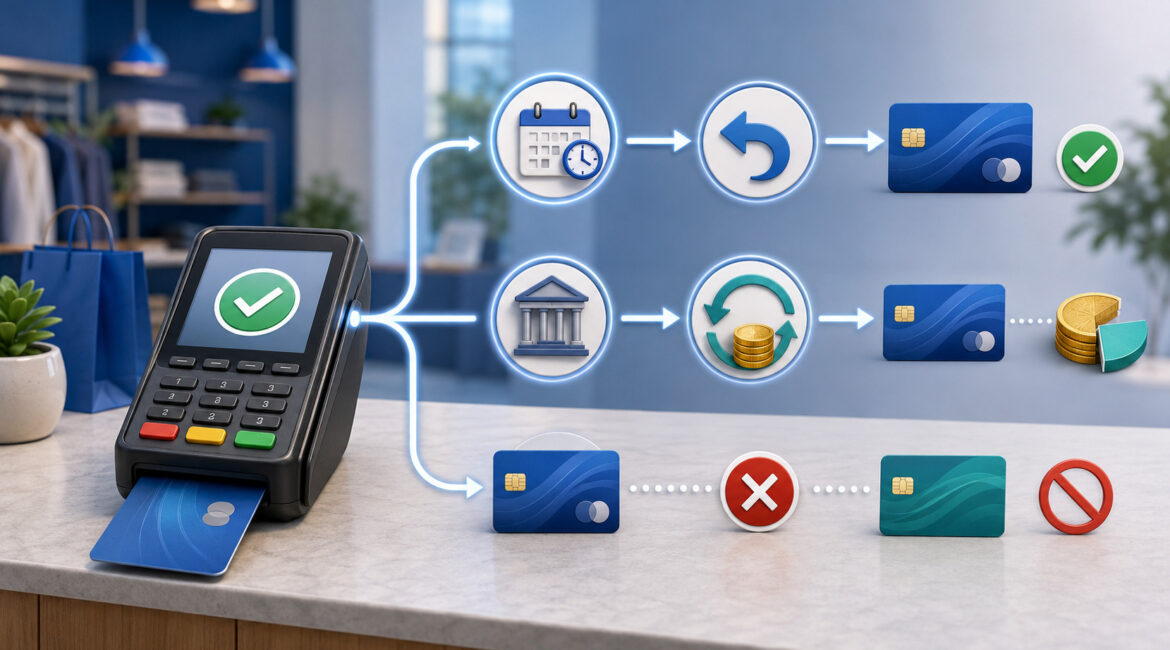
If a card transaction has not settled, the merchant may be able to void or reverse it. Once it has moved through settlement, returning money generally requires a refund instead. That distinction sounds simple, but it becomes confusing at the counter because payment terminals, POS systems, processors, acquirers, and card...
Receipt Configuration and Retention: What Must Print, What Must Never, and How Long to Keep Copies
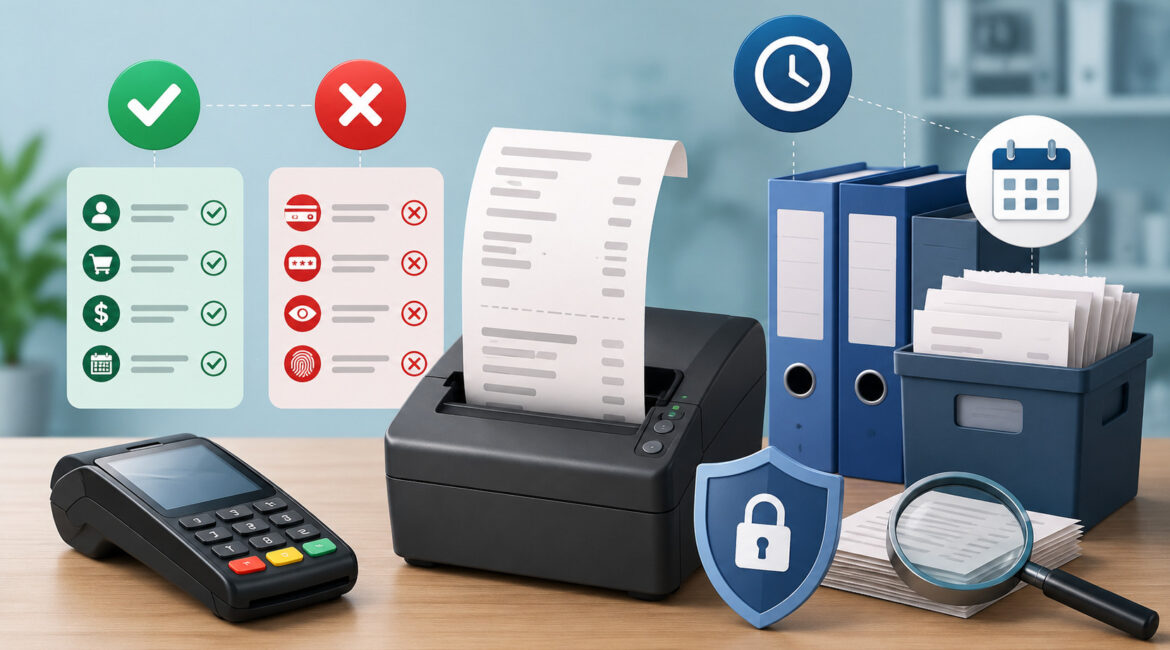
A receipt has to contain enough information to document a legitimate sale without exposing cardholder data that should never leave the secure payment environment. The challenge continues after printing: businesses also need to know which copies to retain, where to store them, and when they can be securely destroyed. For...
5 Hidden Costs of POS Systems—and How to Avoid Them
A POS system is a step ahead of the traditional cash register. It allows it to process transactions, mange stock, your staff, and it can even offer you with necessary analytics. Whether it be restaurants, retail stores, or salons & gyms, POS systems efficiently manage businesses and increase sales. However,...
How Can a Multi-Currency Payment Gateway Benefit Your Business?

Most companies operate on a global scale today, allowing them to acquire quality products and services from around the world. Because global trade increasingly uses multi-currency payments, allowing buyers and sellers to transact in their own currency, these payments also have to do with regional rules taxes, and variations. Traditional...
Difference Between Fully Integrated Terminals vs. Semi-Integrated Terminals

In today's digital age, payment processing has become an integral part of businesses across various industries. With the rise of electronic payments, it is crucial for businesses to have efficient and secure payment systems in place. Two popular options for businesses are fully integrated terminals and semi-integrated terminals. These terminals...
How Payment Terminals Handle Encryption During Transactions
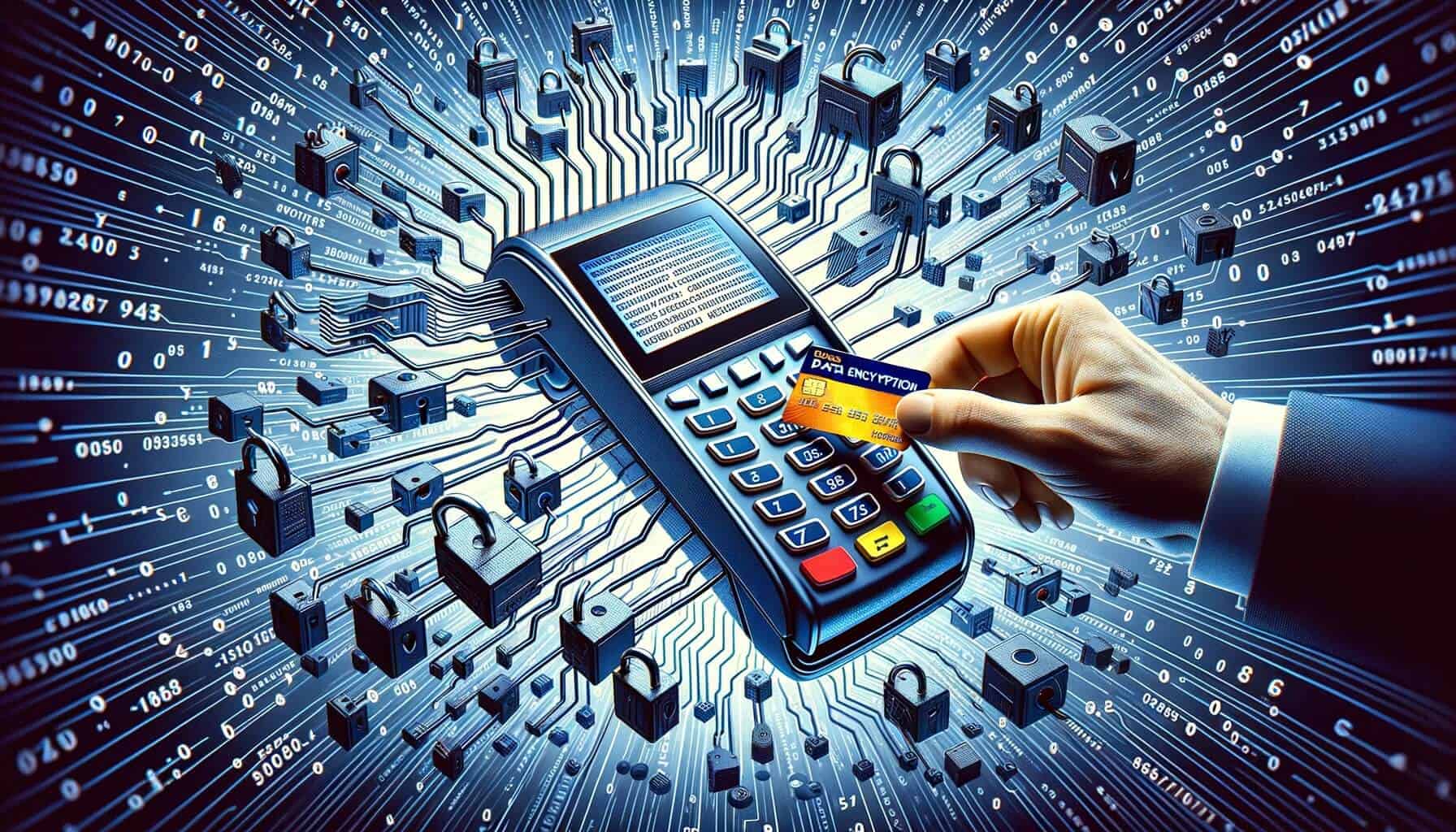
In today's digital age, where financial transactions are increasingly conducted electronically, the security of payment terminals has become a paramount concern. Payment terminals, also known as point-of-sale (POS) terminals, are devices used by merchants to process payments from customers. These terminals play a crucial role in ensuring the confidentiality and...
Integrating Payment Terminals with Your Existing Merchant Services
In today's digital age, businesses are constantly seeking ways to streamline their operations and enhance customer experience. One crucial aspect of any business is the ability to accept payments seamlessly and securely. Integrating payment terminals with your existing merchant services is a game-changer in this regard. This comprehensive article will...
What are Virtual Terminals? A Simple Explanation for Merchants

In today's digital age, businesses are constantly seeking ways to streamline their operations and enhance customer experiences. One such solution that has gained popularity among merchants is the virtual terminal. A virtual terminal is a web-based application that allows businesses to process payments securely and efficiently without the need for...
Setting Up a Virtual Terminal: Essential Steps and Pitfalls

In today's digital age, businesses are constantly seeking ways to streamline their operations and improve efficiency. One tool that has gained significant popularity is the virtual terminal. A virtual terminal is a web-based application that allows businesses to process payments remotely, without the need for physical card terminals or point-of-sale...
Best Practices for Securing Virtual Terminal Transactions
Virtual terminal transactions refer to the process of conducting financial transactions remotely using a computer or mobile device. This method allows businesses to accept payments from customers without the need for physical payment terminals or card readers. With the increasing popularity of online shopping and the rise of remote work,...